
Writing is Right !
The pen kind not the finger tapping kind

I hear this often:
‘Awww… it hurts, my hand hurts.’
And to that child I say, ‘I’m sorry’ (in my head), we have let you down. Fine motor skill building should be prioritised to strengthen muscles and prepare a child to write without stress. We cannot just leave them to tough it out, nor can we let writing die out.
Two reasons:
If you are following the traditional school methodology in Australia at least — the HSC is still a written exam.
If you care about brain development, then it matters even more, because the act of writing actually supports learning and growth; the movement of forming letters creates sensory and motor feedback to the brain, enabling more neural connections to wire and fire across different areas of the brain.
Jonathan Haidt, author of The Anxious Generation, describes a huge change in the way children have spent their time over the last 15 years, highlighting the decline of the play-based childhood and the rise of the phone-based childhood.
Typing or texting, for the most part, uses fingers to tap keys. These days, you do not even need that you can simply use speech-to-text. When working with people who experience challenges in written communication due to disability, then by all means, I support alternative ways for them to get their voice heard.
Learning stress is real, and so too may be the pain of writing cramps. From a developmental lens, writing relies on bilateral coordination both sides of the body and brain working together. One hand stabilises while the other performs skilled movement, supporting integration across brain hemispheres.
To make writing right again…
We can intervene with activities that help the brain and body feel more relaxed and at ease. One simple way to reduce that cramping feeling is to stimulate the whole arm and fingers too, so the sensory feedback loop, body to brain and back again. This even flow means writing with more ease, efficiency, and speed is possible and potentially enjoyable.
A simple and effective activity called ‘Bracelets’ is shown in the video.
Bracelets is the name of a movement from Vision Gym ® which is part of the Brain Gym® program. It amy seem simple but try it and notice how you feel before/after
Bracelets instructions -
Put on a “bracelet” by gently rotating your left arm (start any side)
slowly inward, then outward, against your grasp. Continue massaging up the whole length of your arm, you may also watch your hand move too.
Lightly shake out your arm and shoulder and compare the states of relaxation of your two arms.
Repeat with a massage of your right arm. Also can be done on your fingers too
This movement offers:
• improved eye-hand coordination
• release of writer’s cramp
• increased ease and efficiency for fine-motor skills
The Physical Skills of Writing Matter, nuture these
Writing is a lifelong skill and, for some people, it can even become a lifeline. If someone has the capacity to write, then we should still support and strengthen that ability: not just for school outcomes, but for true expression, communication, learning, and connection.
I’m Kristi Sproates, a Developmental Learning Consultant. I help adolescents with learning challenges feel seen, find joy, and take active steps toward a brighter future.
I also support parents, carers, and educators navigating overwhelming systems to help young people reconnect with life and learning.
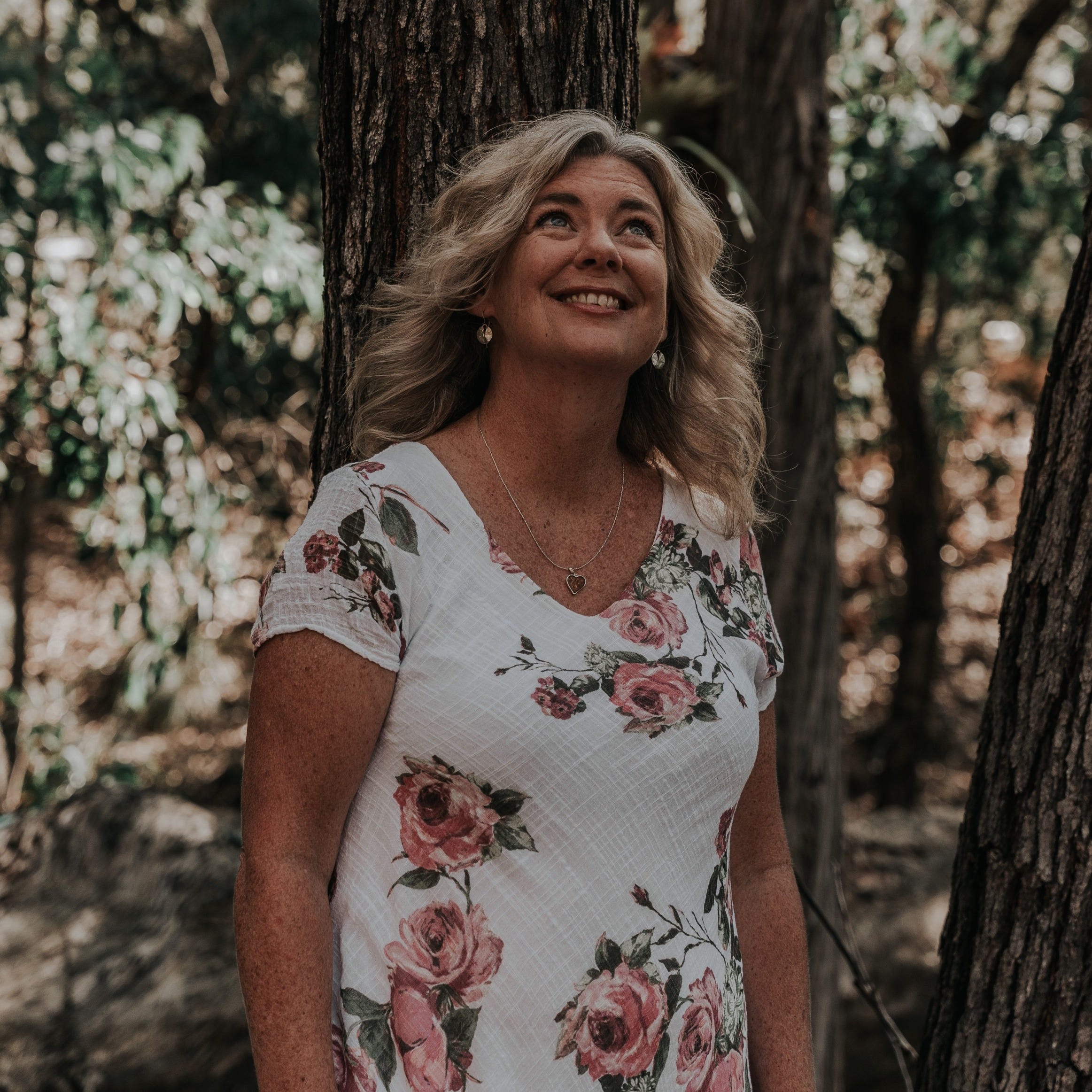
A Developmental Learning Consultant Qualifications include: Developmental Educator (practicing member of the DEA) and a BrainGym Licensed Instructor/Consultant.
More Info can be found at my website
Brain Gym® is a registered trademark of Breakthroughs International (BTi)/ Educational Kinesiology Foundation https://breakthroughsinternational.org